The Future of Search: Why AEO is Replacing Traditional SEO

Mirsal Saidu 3 min read

Traditional SEO is no longer enough. Answer Engine Optimization (AEO) is the shift from Search Engine Optimization to becoming the definitive answer for AI assistants like ChatGPT and Perplexity.
The Future of Search: Why AEO is Replacing Traditional SEO
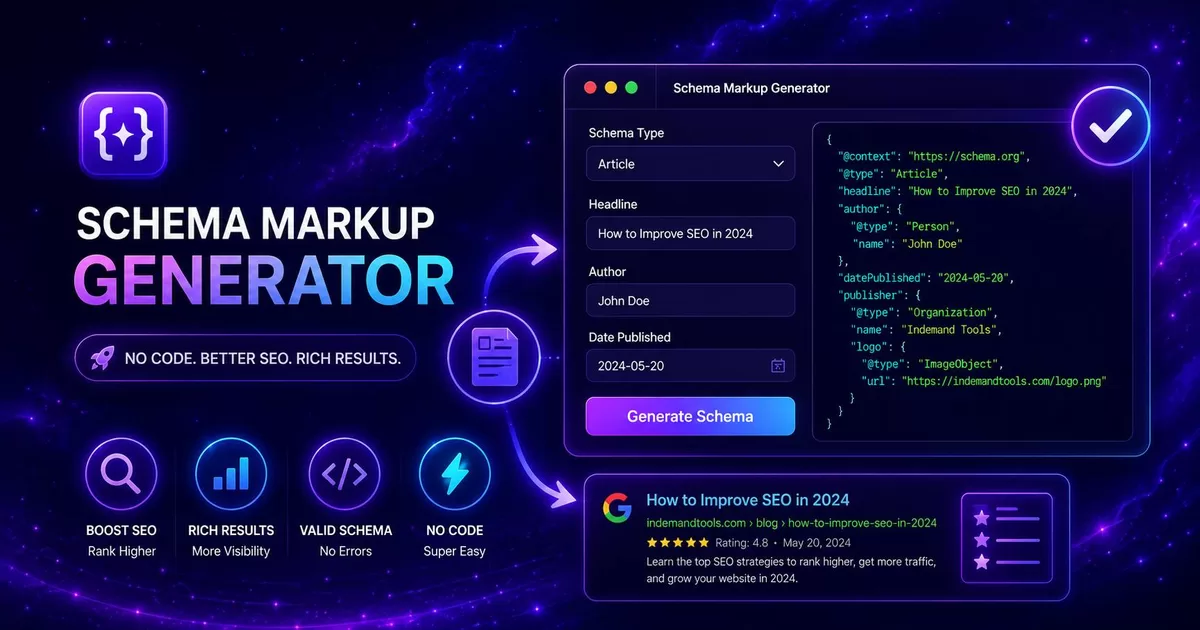
Traditional SEO isn't dead, but it’s definitely not enough anymore. If you're still obsessing over "blue links" while ignoring how AI assistants actually find and cite information, you're building for a web that’s rapidly disappearing. In 2026, search isn’t just about ranking in a list. It’s about becoming the definitive answer in the box. This shift from Search Engine Optimization to **Answer Engine Optimization (AEO)** is now a requirement for anyone running a technical tool or content site. ## What is AEO and why should you care? AEO targets what I call the "Answer Layer." This includes ChatGPT, Perplexity, Gemini, and Google’s own AI Overviews. These engines don’t want to send traffic to your website; they want to extract your knowledge and present it directly to the user. To stay relevant, you have to structure your content as a series of clear, citable blocks. If the AI can't easily parse and cite your data, you effectively don't exist in the modern search landscape. ## The Day My Traffic Tanked (and What I Learned) In early 2024, I noticed a 15% drop in clicks on some of our most popular technical guides. The rankings hadn't changed—we were still sitting at Position #1 or #2. But the traffic had vanished. The reason was simple: Gemini was answering the user’s query directly in the search results using my content, but the citation was so small and hidden that nobody bothered to click through. That was my wake-up call. I realized that traditional SEO targets the algorithm, but **AEO targets the extractor.** You have to make the AI choose *your* specific paragraph to show the user. ## AEO is the "Last Mile" of Search SEO gets the crawler to your page, but AEO makes the AI engine pick your content. While SEO focused on keywords, AEO focuses on **Entity Clarity**. You need to define exactly what a thing is, rather than just proving your page is relevant to the topic. ## 3 Hard Rules for AEO Success I've implemented these rules across all my tools, and the results have been consistent: * **The 60-Word Answer Block:** Follow every major heading (H2) with a 40-60 word direct answer. Don't waste time with "In this section, we will explore..." intros. Go straight to the point. This is the perfect size for a Perplexity citation. * **FAQ Schema is a Requirement, Not an Option:** Don’t just use schema for the SEO boost. Use it to feed the AI’s JSON parser. I use my own [schema generator](/tools/schema-generator) to make sure everything is 100% compliant and easy for engines to read. * **Opinions Outperform Definitions:** Any AI can define "JSON." It can’t tell you why a specific JSON structure is a nightmare to debug. I've found that adding specific insights like *"In my experience, trailing commas are the #1 cause of JSON errors"* provides a human signal that AI models are much more likely to cite as "Expert Opinion." ## Frequently Asked Questions ### Is keyword research dead in the AEO era? No, it has just evolved. I've stopped looking for simple search strings and started looking for specific questions. I often use Perplexity to see what follow-up questions it suggests to users, and I make those my H2 headings. This is the fastest way to capture AI-driven traffic right now. ### How do I measure AEO success? Start checking your citations in AI tools. If you ask ChatGPT "How do I format JSON?" and it mentions InDemand Tools as the source, you’re winning. I track these citations manually every week because Google Search Console still doesn't show "AI Overviews Citations" clearly enough for my liking.

Share this article:
M

Mirsal Saidu

Digital & Performance Marketer